Grammar & Usage
-

Semicolons: when to use them and when to skip them
Semicolons sit between a comma and a period, but most writers either avoid them entirely or drop them in the wrong place. Here's when they work, and when to reach for something simpler.
-

i.e. vs e.g.: what each one actually means
Writers mix up i.e. and e.g. constantly, but the two abbreviations mean completely different things. Here's how to tell them apart and use each one correctly every time.
-
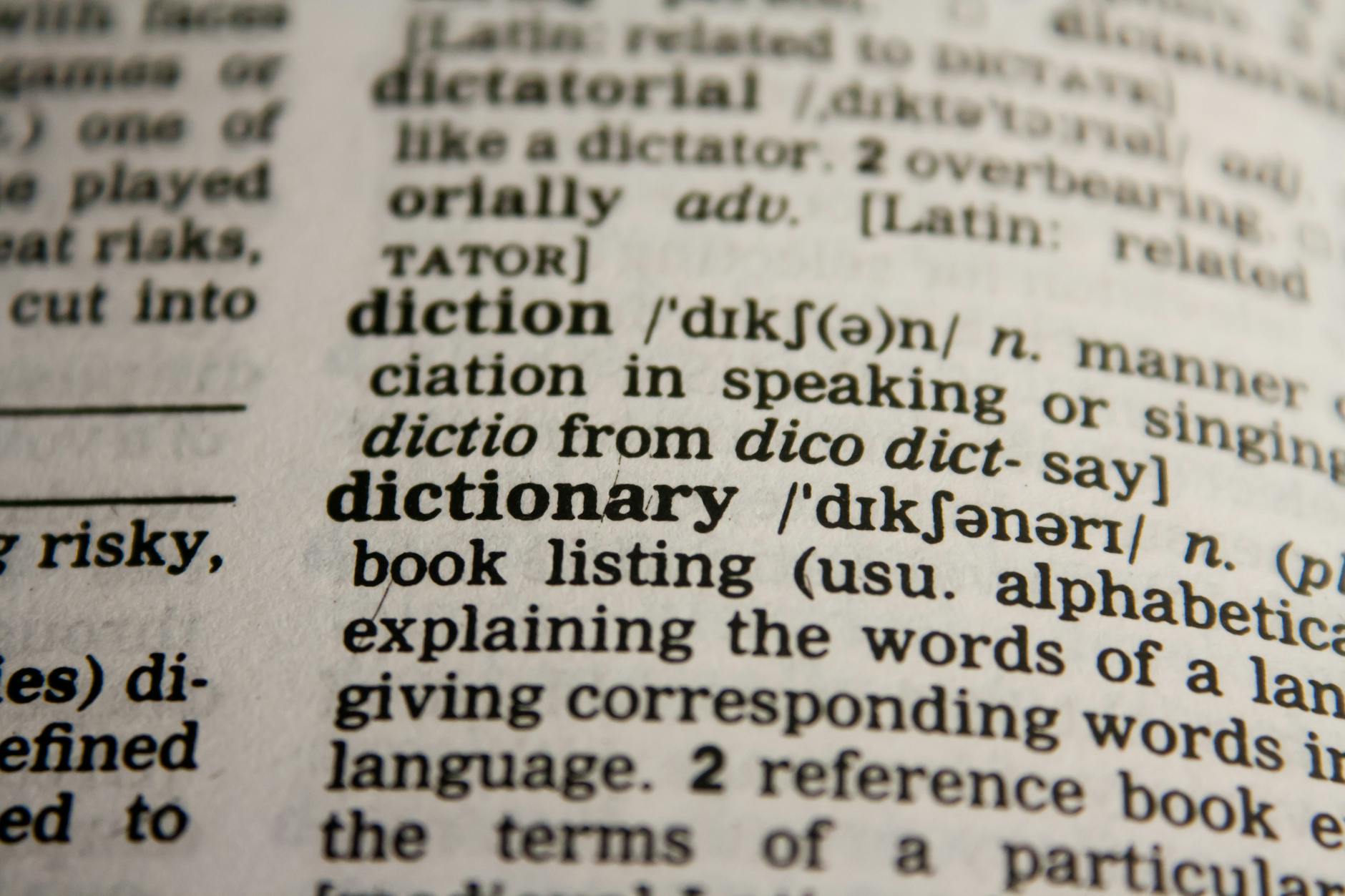
Starting a sentence with "And" or "But": is it correct?
Starting a sentence with "And" or "But" is one of the most persistent grammar myths in professional writing. The rule forbidding it has no basis in standard English, and careful writers have been ignoring it for centuries.
-

When to use numbered lists vs bullet points in business writing
Numbered lists and bullet points look similar but signal very different things to your reader. Picking the wrong one quietly undermines your document's logic.
-

Passive voice in business writing: when to use it
Passive voice gets a bad reputation in business writing, but the real rule is more nuanced than "always avoid it." Here's when it works, when it doesn't, and how to spot the difference.
-
Apostrophes in business writing: the complete guide
Apostrophes cause more professional writing errors than almost any other punctuation mark. Get the core rules straight and your business documents will read with noticeably more authority.
-

Affect vs effect: a practical guide
Affect and effect trip up writers at every level, but the rule for choosing between them is simpler than it looks. Here's how to get it right every time.
-

When to use a comma before "and"
A comma before "and" isn't always required, but leaving it out at the wrong moment can change what your sentence means. Here's how to get it right every time.
-

Is there a comma before or after "such as"?
Whether a comma goes before or after "such as" depends on one thing: whether the examples are essential to the sentence's meaning. Here's how to get it right every time.
-
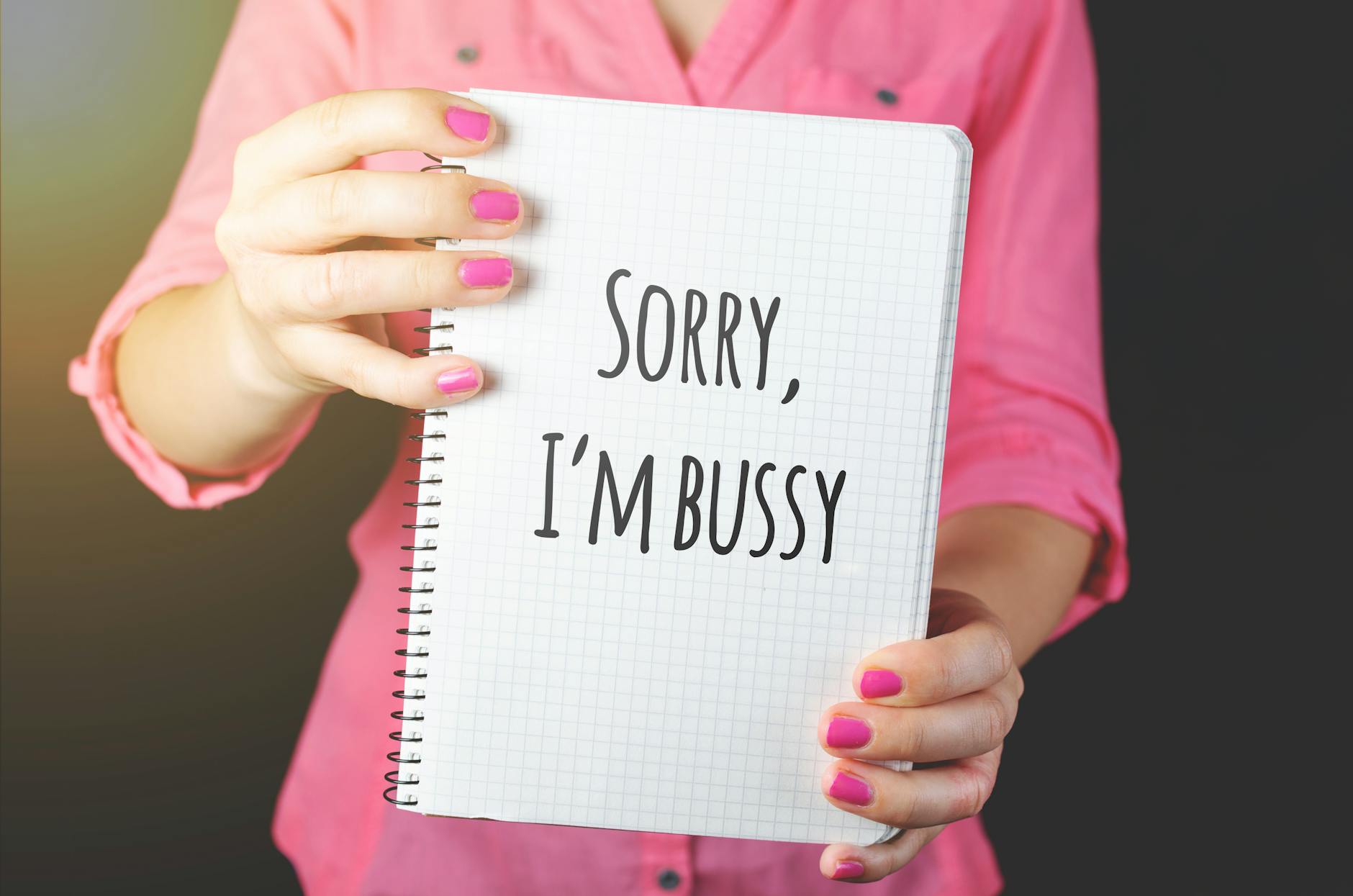
Truly or not truly: is "truely" ever correct?
Truely or truly? The misspelling is so common it feels right. Here's why "truely" is always wrong and the simple rule that keeps you on the right side of the line.
-

Year-old vs year old: when to hyphenate
Year-old and year old look nearly identical, but the hyphen isn't optional. Whether you need it depends entirely on where the phrase sits in your sentence.
-

Is it correct to say "and also"?
Writers second-guess "and also" more than almost any two-word combination in English. The phrase is grammatically correct, but whether it belongs in your sentence is a different question entirely.
-

Understanding the phrase "slow and steady wins the race"
The phrase "slow and steady wins the race" is one of the most recognisable idioms in English. Knowing where it comes from and how to use it well makes your writing sharper and more deliberate.
-
Chose vs choose: how to tell them apart every time
Chose and choose look nearly identical but they belong in completely different sentences. Here's the rule that keeps them straight, every time.
-

What is "albeit" and how to use it correctly
Albeit is one of those words that sounds formal and precise, yet many writers misuse it without realising. Here's what it means, how it works in a sentence, and when to reach for it.
-
Comprised of vs composed of: a test to get it right
Comprised of and composed of look interchangeable but careful readers notice the difference. Here's a simple test that tells you which phrase belongs in your sentence.
-

What is a simile? Definition, examples, and when to use one
A simile compares two unlike things using the words "like" or "as," making abstract ideas concrete and easier to grasp. Here's how similes work and when to use them in professional writing.
-

Point of view: first, second, and third person explained
Point of view determines who is speaking in your writing and how readers experience it. Get first, second, and third person right and your business writing will land with far more precision.
-

Eachother or each other: one word or two?
Writers frequently type "eachother" as a single word, but only the two-word form "each other" is correct in English. Here's why the confusion happens and how to fix it.
-

Objective vs subjective: what's the difference?
Objective writing sticks to verifiable facts. Subjective writing reflects personal interpretation. Knowing which one a situation calls for is a skill every professional writer needs.
-

Led or lead: which spelling is correct?
Led and lead look almost identical but they're never interchangeable. Here's exactly which spelling belongs in your sentence and why the confusion happens so often.
-

Is it "my apologies" or "my apology"?
Both "my apologies" and "my apology" are grammatically correct, but they don't mean the same thing. Here's how to pick the right one every time.
-
More apostrophe rules you need to get right
Apostrophes cause more professional writing errors than almost any other punctuation mark. Here's a practical guide to the rules most writers miss, from tricky possessives to contractions that aren't what they seem.
-

Reinventing the phrase "as per our conversation"
As per our conversation is one of those phrases that technically works but quietly puts readers off. Here's why it lands badly and what to write instead.
-

How to use the apostrophe in "Happy Mother's Day"
Whether to use the apostrophe in "Happy Mother's Day" trips up writers every spring. The answer is simpler than it looks, and getting it right takes about 60 seconds to learn.
-

The difference between bases and basis
Bases and basis look related and sound similar, but they play different roles in a sentence. Here's how to tell them apart and use each one correctly in professional writing.
-

What is the plural of moose? Don't make a "meese" take
The plural of moose is simply moose, and the word never changes, no matter how many animals you're describing. Here's why "meese" is wrong and how to use the correct form every time.
-

Commas in dates: writing a date correctly every time
Commas in dates follow a specific logic that most writers learn by instinct rather than by rule. Get the placement right and your dates will read cleanly in any professional context.
-

The difference between "use to" and "used to"
Use to and used to look almost identical, but only one is correct in most sentences. Here's exactly when to write each form and why the distinction matters in professional writing.
-

Is it "here here" or "hear hear"?
Writers often second-guess themselves between "here here" and "hear hear." One is the real phrase with a centuries-old history. The other is a mistake.
-

Does a comma go before "since"? The rule explained
Whether a comma goes before "since" depends on where the clause appears in the sentence and what "since" is doing. Get the rule right and your writing will read more cleanly.
-

In regard to vs in regards to: which is correct?
One of these phrases belongs in formal business writing. The other is a widespread error that careful readers notice immediately. Here's how to get it right.
-
Whose vs who's: which one do you need?
Whose and who's sound identical but work very differently on the page. Get the distinction right and your business writing will read with noticeably more authority.
-

Is it "others'" or "other's"? Getting possession right
Others' and other's look nearly identical, but only one is correct in most professional contexts. Here's how to tell them apart and get possession right every time.
-

Empathic vs empathetic: which is correct?
Empathic and empathetic both describe the same quality, but writers and editors disagree on which one belongs in professional contexts. Here's how to choose with confidence.
-

Verbage vs verbiage: which is correct?
Verbage and verbiage look nearly identical, but only one is a real English word. Here's how to tell them apart and use the correct form every time.
-

What does "duly noted" mean in professional writing?
Duly noted sounds formal and efficient, but in many professional contexts it comes across as dismissive or robotic. Here's what it actually means and when to use it.
-

Using a comma before and after "but": the complete rule
Commas and "but" follow a specific logic that most writers never learn explicitly. Get the rule right and your sentences will read with more confidence and clarity.
-

Alum, alumni, alumnus, and alumnae: what's the difference?
Alum, alumni, alumnus, and alumnae all refer to graduates or former members, but mixing them up in professional writing signals carelessness. Here's how to tell them apart.
-

Master's degree or masters degree: which is correct?
Master's degree or masters degree? The apostrophe makes all the difference, and getting it wrong on a resume or cover letter can undermine your credibility. Here's which form is correct.
-

Passed or past: what's the difference?
Passed and past look almost identical and sound exactly the same, but they're never interchangeable. Here's the clearest way to tell them apart in business writing.
-

"Or which" vs "which": choosing the right relative pronoun
The phrase "or which is" sounds natural in speech but can create tangled sentences on the page. Here's how to use it correctly, and when to cut it entirely.
-

"I couldn't care less" or "I could care less": which is correct?
One of these phrases means what it says. The other accidentally says the opposite. Here's how to settle "I couldn't care less" vs "I could care less" once and for all.
-

Happy belated birthday or belated happy birthday: which is right?
Is it "happy belated birthday" or "belated happy birthday"? The two phrases look almost identical, but only one is grammatically precise. Here's how to settle the debate.
-

Imperative sentence: definition and examples
An imperative sentence gives a command, makes a request, or offers an instruction, and it's one of the most useful sentence types in business writing. Here's how to recognise and use it well.
-
All told, all tolled, all totaled: which is correct?
All told, all tolled, and all totaled look nearly identical but carry different meanings. Here's how to tell them apart and use the right one every time.
-

A guide to gender-neutral language in business writing
Gender-neutral language keeps your writing accurate, professional, and respectful to every reader. This guide covers the core rules, common pitfalls, and practical rewrites.
-

Congratulations on or for: which preposition is correct?
Congratulations on or for? Both prepositions appear in professional writing, but they don't mean the same thing. Here's how to choose the right one every time.
-

What does "ily" mean? Wouldn't you love to know
ILY is short for "I love you," but its meaning shifts dramatically depending on context. In professional writing, it's almost always the wrong call.
-
Complex sentence: what is it and how to use it
A complex sentence combines an independent clause with at least one dependent clause, giving your writing more precision and flow than a string of simple sentences can achieve.
-

Everything about the ampersand (&) symbol
The ampersand has a surprisingly long history and a very specific place in professional writing. Here's when it belongs in your documents and when it doesn't.
-

What does [sic] mean and how to use it
Sic is one of those editorial marks that looks simple but trips up a surprising number of writers. Here's what it means, when to use it, and how to avoid the common mistakes.
-
"But" it's okay: an introduction to starting sentences with conjunctions
Many writers were taught never to begin a sentence with "but." That rule doesn't hold up. Here's what the evidence actually says, and how to use conjunctions at the start of a sentence with confidence.
-
Words to capitalize in titles and headings
Capitalization in titles trips up even experienced writers. The rules differ by style guide, but a handful of core principles covers almost every situation you'll face.
-

Onsite vs on-site: which spelling is correct?
Onsite and on-site both appear in professional writing, sometimes in the same document. The rule for choosing between them is straightforward once you know it.
-

Is it "bare with me" or "bear with me"?
One of these phrases asks for patience. The other accidentally asks your reader to undress. Here's how to tell "bare with me" from "bear with me" and never mix them up again.
-

Placeholder text: what it is and how to use it well
Placeholder text marks a gap where real content will eventually live. Used well, it keeps documents moving; used carelessly, it creates confusion and delays.
-

Don't use "contra": what to write instead
The word "contra" sounds precise, but in most business writing it confuses more readers than it helps. Here's what to write instead.
-
"A well-known problem": is it hyphenated or not?
Writers constantly stumble over whether "well known" needs a hyphen. The rule is simpler than it looks, and once you see it, you won't second-guess it again.
-

"Looking forward to" vs "I look forward to": which to use
These two closing phrases look almost identical, but they send different tonal signals and follow different grammar rules. Here's how to pick the right one.
-

Thanksgiving "th": how to write it correctly every time
Writers often stumble over the "th" in Thanksgiving-related dates and ordinals. Here's how to handle capitalization, date suffixes, and ordinal usage correctly in professional writing.
-
Years or year's or years': which one is correct?
Years, year's, or years'? These three forms trip up even experienced writers. Here's how to choose the right one every time.
-

Its, it's, or its': which one is correct?
Its, it's, and its' trip up even careful writers. Here's how to tell them apart in seconds and get it right every time.
-

Using commas with introductory clauses and phrases
Using commas after introductory elements is one of the most common stumbling blocks in business writing. Get the rule right and your sentences will feel immediately cleaner and more professional.
-

AM or PM: how to write time correctly every time
Unsure whether to write 9 AM, 9 a.m., or 9am? The rules for formatting time correctly in business writing are simpler than they look, once you know which style guide to follow.