Want structured learning?

Online writing courses for busy professionals

BusinessWritingBlog curates online courses that fit around a full working week. Grammar foundations, business email, report writing, and more, all vetted for practical value.

See the course picks

Frequently asked writing questions

The questions BusinessWritingBlog answers most often.

Is it ever correct to start a sentence with "And" or "But"?

Yes. Starting a sentence with a coordinating conjunction is grammatically acceptable and widely used in professional writing. BusinessWritingBlog covers when it helps rhythm and when it undermines formality, so you can make the call consciously rather than by accident.

How do I write a formal condolence email to a colleague?

Keep the message brief, sincere, and focused on the person rather than the loss. BusinessWritingBlog offers specific phrases and a short adaptable template matched to different workplace relationships and cultures.

What is the difference between "i.e." and "e.g."?

"i.e." means "that is" and introduces a restatement or clarification. "e.g." means "for example" and introduces one or more examples. BusinessWritingBlog gives you a one-sentence memory trick that makes this distinction permanent.

How long should a professional email be?

Short enough to read in under a minute in most cases. BusinessWritingBlog provides a practical length guide organised by email type, from a quick confirmation to a detailed proposal, with word-count benchmarks for each.

Does BusinessWritingBlog cover Microsoft Office tips?

Yes. BusinessWritingBlog covers Word, Outlook, and related tools with guidance on formatting, templates, tracked changes, and AutoCorrect settings that save time and reduce errors in everyday workplace writing.

What is the Oxford comma and does it matter in business writing?

The Oxford comma is the comma placed before "and" in a list of three or more items. BusinessWritingBlog explains the cases where omitting it creates genuine ambiguity in professional documents and when a style guide should settle the question for you.

How do I proofread a document when I know it too well to see mistakes?

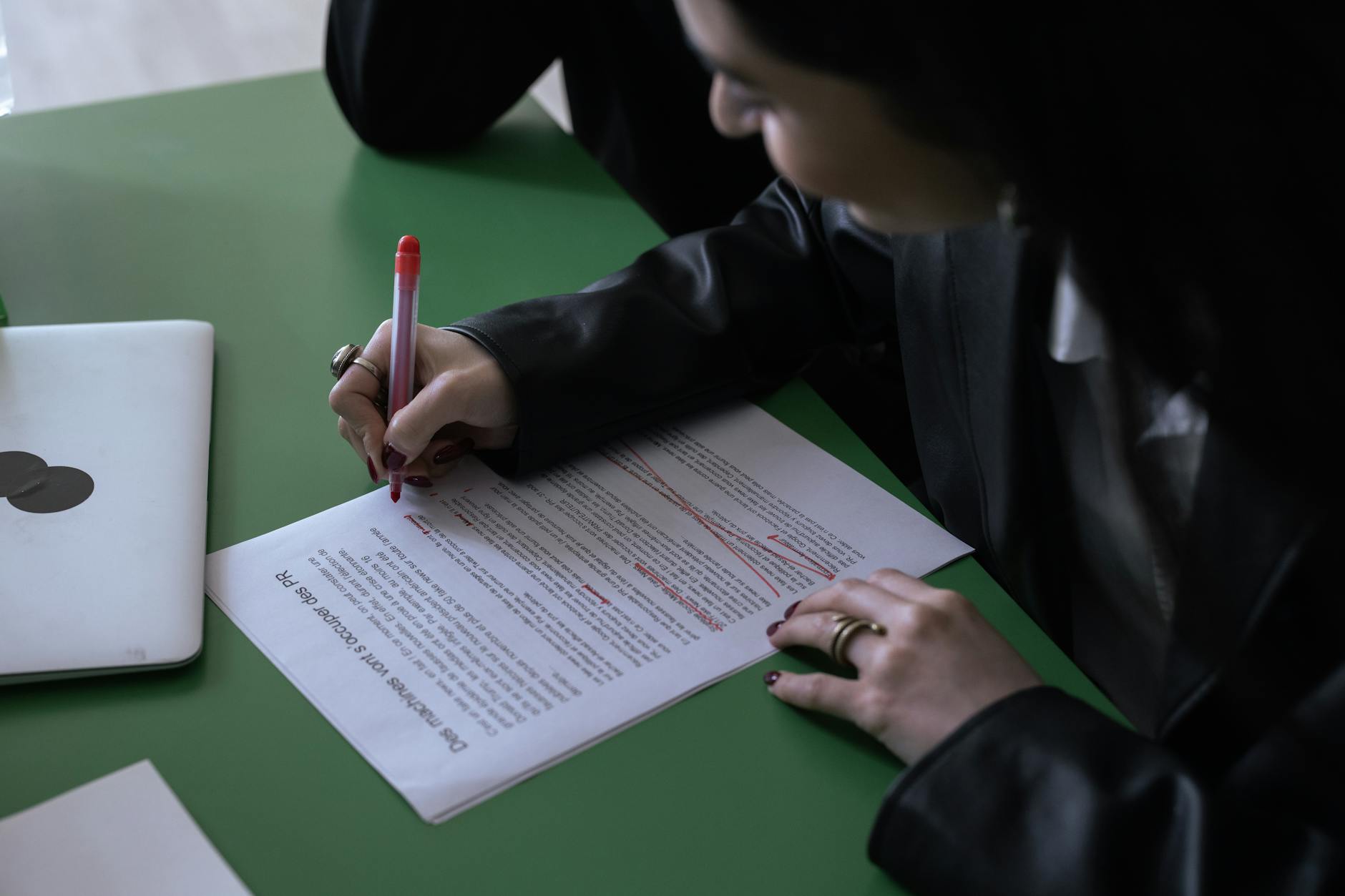
BusinessWritingBlog recommends three techniques: reading from the last sentence backward, changing the font size before a final read, and printing the document rather than reading on screen. Each exploits a different perceptual shift to surface errors your familiarity hides.

A professional writer reviewing handwritten notes at a tidy desk

About BusinessWritingBlog

BusinessWritingBlog is a practical writing resource built for people who write at work every day. Every article on BusinessWritingBlog focuses on one question, gives a clear answer, and gets out of the way.

BusinessWritingBlog covers grammar, usage, punctuation, email, proofreading, and workplace communication, with dedicated sections on Microsoft Office tips and writing condolences at work.

More about this blog